
Where Are Cashews Cultivated?
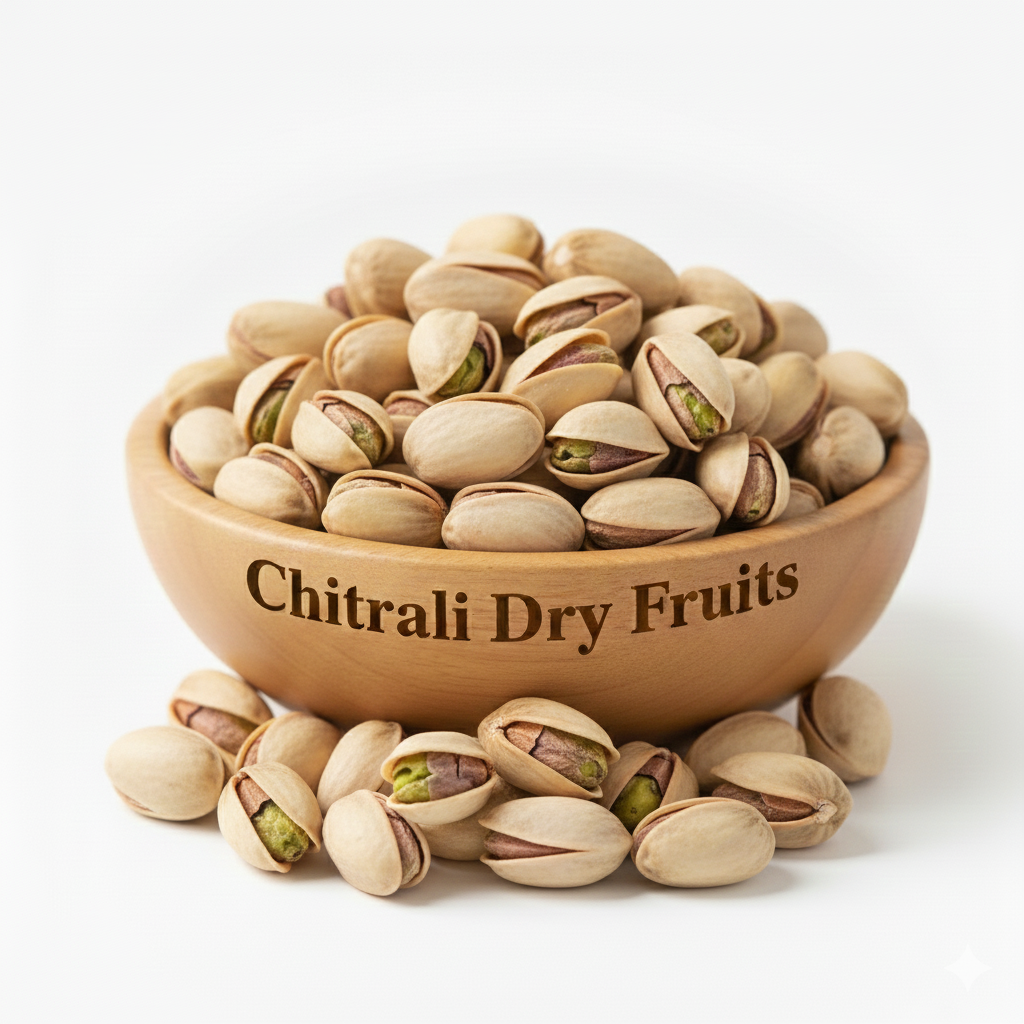
Pistachios are nutrient-rich nuts known for their mildly sweet flavor, buttery texture, and vibrant green color. They are cultivated in dry, warm climates around the world. The primary pistachio-producing regions include Iran, the United States (especially California), Turkey, Afghanistan, and parts of the Middle East
Pistachio trees thrive in arid and semi-arid conditions with long, hot summers and cool winters. The nuts grow inside hard shells that naturally split open when ripe, making them easy to process. After harvesting, pistachios are dried, roasted, or lightly salted before consumption
Applications for Pistachios
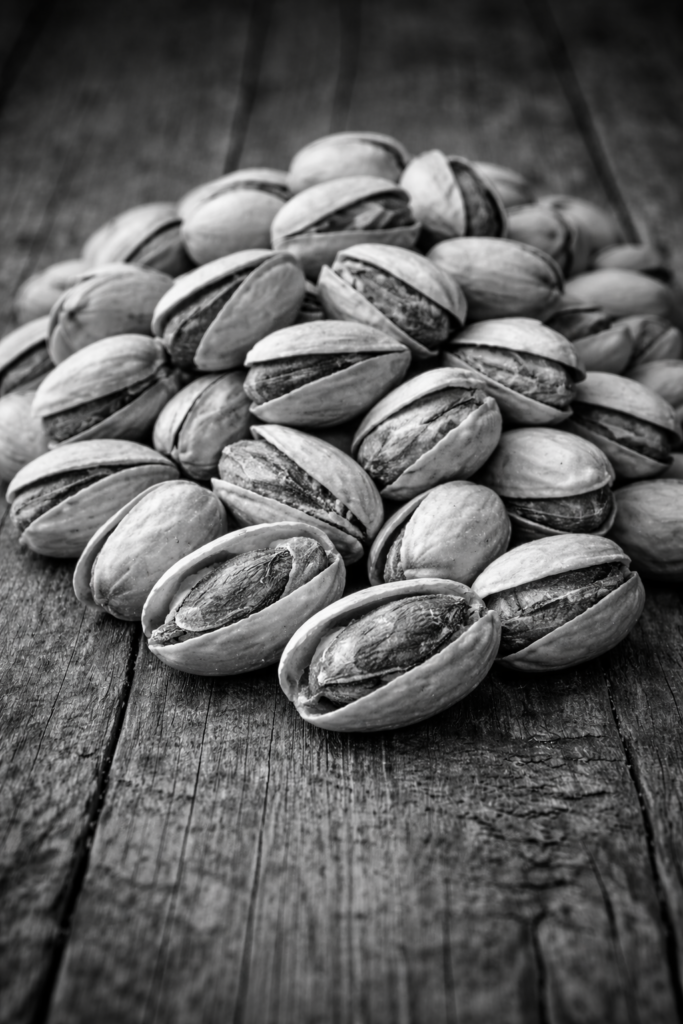
Pistachios have many applications, including:
Enjoyed as a healthy snack, either raw, roasted, or lightly salted
Added to desserts such as ice cream, cakes, cookies, and traditional sweets
Used in savory dishes like rice, curries, salads, and pilafs for added crunch and flavor
Ground into pastes for sauces, spreads, and pistachio butter
Used as a topping for yogurt, oatmeal, and baked goods
History of Pistachios
Pistachios are one of the oldest cultivated nuts in the world, with a history dating back thousands of years. They belong to the Pistacia genus in the cashew family (Anacardiaceae). Pistachios are believed to have originated in the Middle East and Central Asia, particularly in regions that are now Iran, Afghanistan, and Turkey.
Historical records suggest that pistachios were enjoyed by ancient civilizations and were considered a luxury food by royalty. The name “pistachio” is thought to be derived from ancient Persian and Greek languages, reflecting the nut’s long journey through trade routes to Europe and beyond.
Today, pistachios are cultivated worldwide and valued for their rich flavor, nutritional benefits, and cultural significance.
