No products in the cart.

Up to 11%

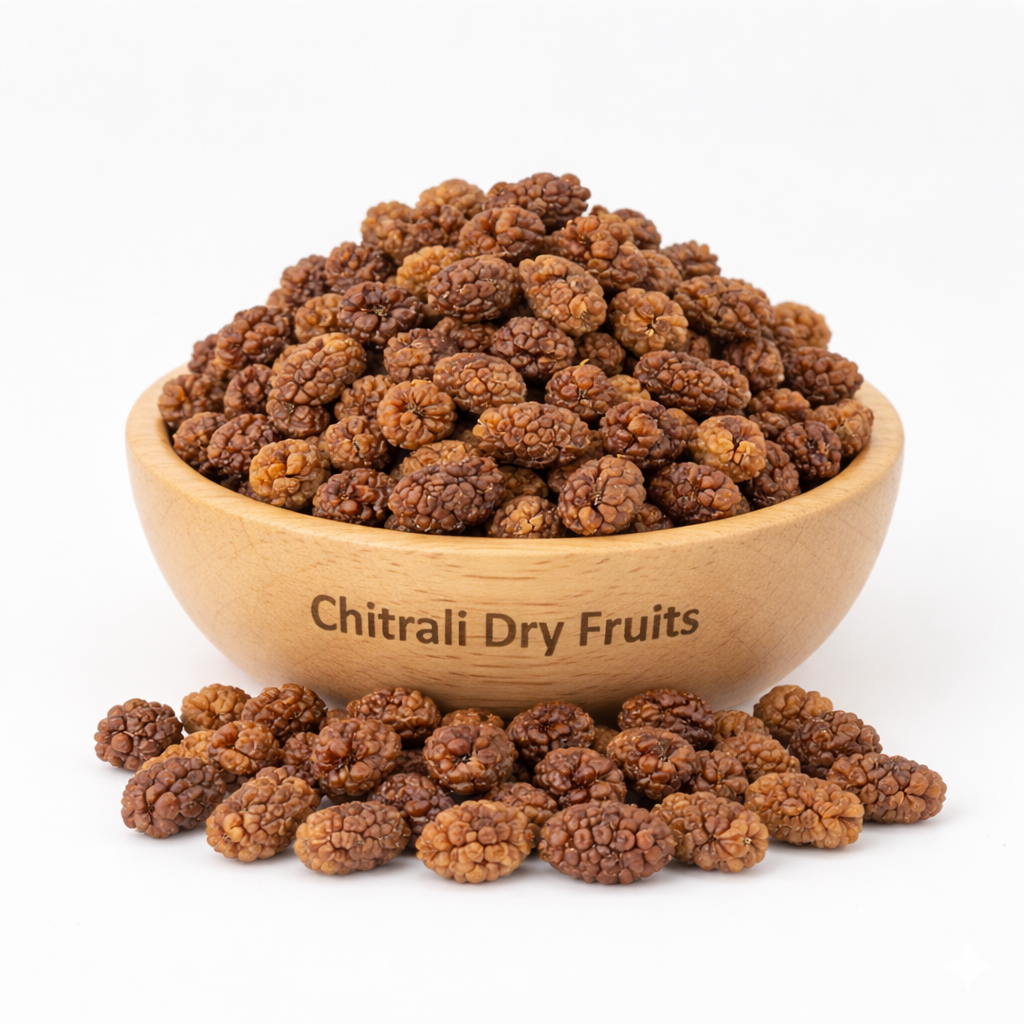
Dried Dark Mulberry

Price range: 450.00 ₨ through 800.00 ₨

{15} people are viewing this product right now

We paired peppery turmeric with ancho chiles and cinnamon, adding citrus notes for authentic Arizonan flavor. It’s reminiscent of the sweet.

or
SKU: #77660054-3 Categories: Brand:

Where Is Dark Mulberry Cultivated?

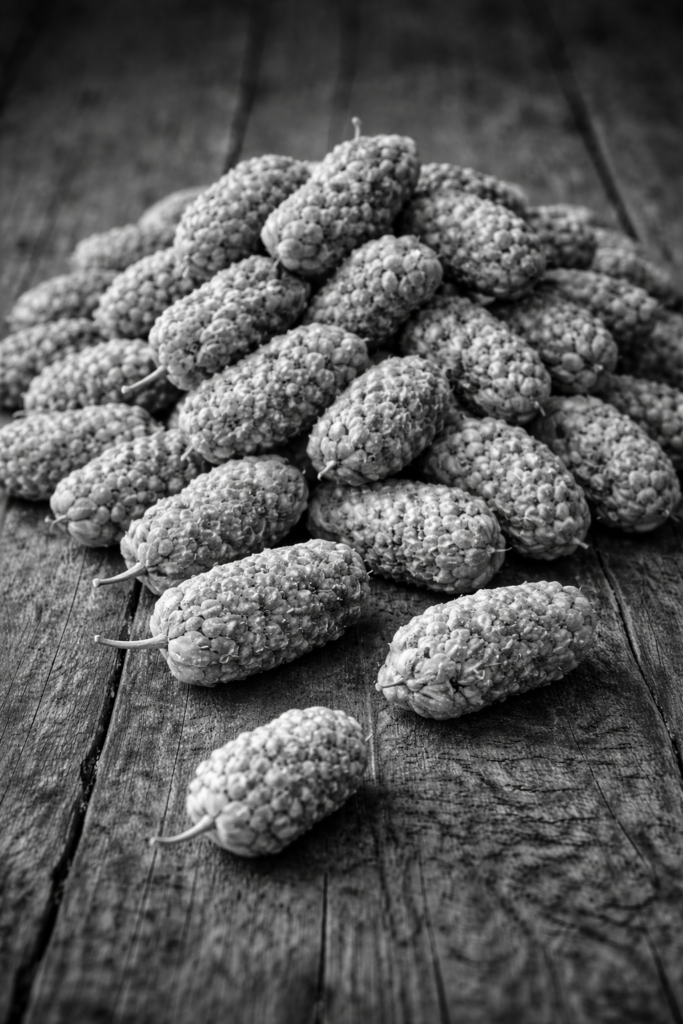
Dark mulberry is a deep purple to nearly black fruit known for its naturally sweet-tart flavor and rich nutritional value. It is cultivated in temperate and subtropical regions around the world, with major production in Pakistan, Turkey, Iran, Afghanistan, and parts of Central Asia. The mulberry trees thrive in cool mountainous areas and fertile soil, producing small, juicy berries with an intense dark color.

Dark mulberries are traditionally harvested at peak ripeness, then sun-dried or carefully dehydrated to preserve their natural taste, color, and nutrients. The dried dark mulberries have a rich, fruity sweetness with a slightly tangy finish, making them ideal for direct consumption or use in herbal and culinary applications.
Applications for Dark Mulberry

Dark mulberry has many applications, including:

  • Eaten as a healthy snack in its dried or fresh form

  • Added to breakfast cereals, yogurt, smoothies, and oatmeal

  • Used in desserts such as cakes, muffins, jams, and syrups

  • Incorporated into herbal teas and traditional remedies

  • Used as a natural sweetener and color enhancer in food products

History of Dark Mulberry

Dark mulberry comes from the Morus genus, which belongs to the Moraceae family. Mulberry trees are among the oldest cultivated plants in the world and have been grown for thousands of years across Asia, the Middle East, and parts of Europe. Dark mulberries were especially valued in ancient Persia, China, and Central Asia for their sweet taste, medicinal properties, and use in traditional foods.

The name “mulberry” is believed to originate from the Old English word morberie, while in many regions it is commonly known as Shahdood / Shehtoot. Historically, mulberry trees were also cultivated for silkworm farming, as their leaves are the primary food source for silkworms. Over time, dark mulberry became popular as a nutritious fruit, enjoyed fresh or dried, and remains an important part of traditional diets today.

packaging

Packet ( 1 kg ), Packet ( 500 gram )

Subscribe
Subscribe

Newsletter

Enter your email below to the first to know about collections