

Where Are Cashews Cultivated?
Cashews are kidney-shaped nuts known for their rich, buttery flavor and creamy texture. They are grown in tropical and subtropical regions around the world. Cashew trees are primarily cultivated in India, Vietnam, Brazil, Nigeria, and other parts of West and East Africa. The nuts grow attached to the bottom of the cashew apple and are harvested once the fruit ripens. After harvesting, cashews are carefully dried, shelled, and processed to remove the outer layer before being graded for quality. Cashews from these regions are valued for their consistent size, smooth texture, and naturally sweet, nutty taste.
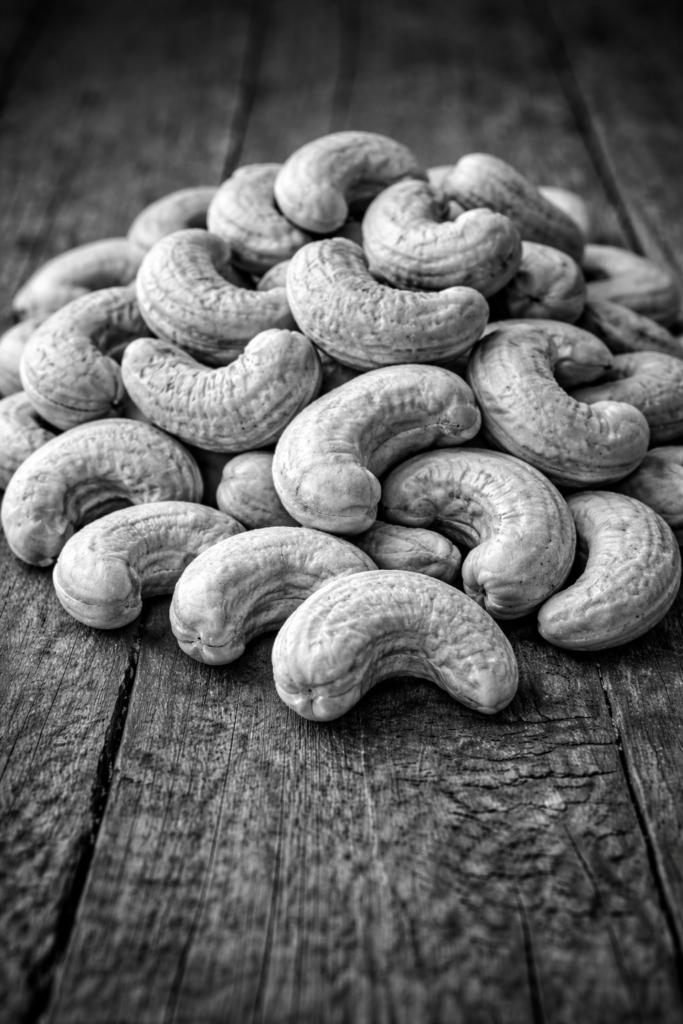
Applications For Cashews
Cashews have many applications, including:
Used in sweets and desserts such as kheer, halwa, cookies, and cakes
Added to curries, gravies, and rice dishes to enhance richness and flavor
Ground into pastes or sauces for creamy textures in traditional and continental dishes
Roasted and seasoned for snacks and trail mixes
Used in salads, stir-fries, and breakfast bowls for added crunch and nutrition
Agar aap chahen to main isko Urdu, short points, ya YouTube content ke liye bhi adjust kar sakti hoon
History Of Cashews
Cashews come from the cashew tree (Anacardium occidentale), which belongs to the Anacardiaceae family. The cashew tree is native to northeastern Brazil and was first cultivated by indigenous tribes of South America. The name “cashew” is believed to be derived from the Portuguese word “caju”, which itself comes from the Tupi word “acajú”, meaning “nut that produces itself.” During the 16th century, Portuguese traders introduced cashew trees to India and parts of Africa, where the crop adapted well to tropical climates and became an important commercial nut
