
Where Are Walnut Kernels Cultivated?
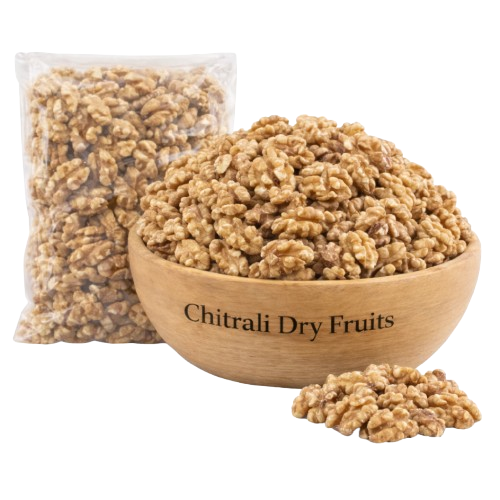
Walnut kernels are the edible inner part of walnuts, known for their rich, nutty flavor and crunchy texture. Walnuts are grown in temperate regions around the world, with major production in countries such as the United States (especially California), China, Iran, Turkey, and parts of Central Asia. The walnut trees produce hard-shelled fruits, inside which the kernels develop.
After harvesting, the walnuts are dried, cracked, and the kernels are carefully separated and cleaned. Walnut kernels are valued for their natural oils, nutrients, and versatility in both sweet and savory dishes. They are widely used in baking, cooking, snacks, and traditional foods, and are consumed globally for their taste and health benefits

Applications For Walnut Kernels
Walnut kernels have many applications, including:
Eaten raw or roasted as a healthy snack
Used in baking such as cakes, cookies, brownies, and bread
Added to salads, oatmeal, and yogurt for extra crunch and nutrition
Used in savory dishes, gravies, and curries
Ground into pastes or sauces for traditional and continental recipes
Used as a topping for desserts, ice cream, and chocolates
History Of Walnut Kernels
Walnut kernels come from the walnut tree, which belongs to the genus Juglans in the family Juglandaceae. Walnuts are among the oldest tree foods known to humans and have been cultivated for thousands of years. Their history dates back to ancient Persia, where they were considered food for royalty and valued for their rich taste and nutritional benefits.
The walnut later spread to Europe through trade routes and was introduced to other parts of the world, including Asia and the Americas. Over time, walnut cultivation expanded due to its adaptability to temperate climates. Today, walnut kernels are widely consumed across cultures and are an important ingredient in traditional, medicinal, and culinary practices worldwide
